Cobh Cork: Things to Do, Titanic History & Visitor Guide
Cobh
Colourful streets, Titanic history and Spike Island on one of the world's great natural harbours.
About
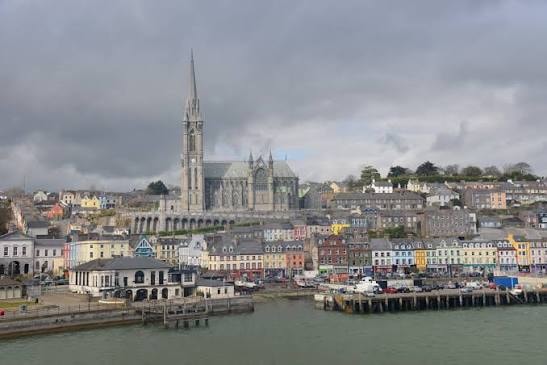
Cobh is located on Great Island in Cork Harbour, around 20km southeast of Cork City. The town rises steeply from the waterfront, which explains those famous photographs of colourful houses with St Colman's Cathedral towering above them. Cobh Railway Station sits directly beside the waterfront and Heritage Centre, so arriving by train drops you right into the middle of the town. Discover Ireland describes Cobh as a colourful historic port town with Titanic heritage, Spike Island and St Colman's Cathedral among its main attractions. The town was known as Queenstown from 1849 until 1920, following a visit by Queen Victoria — that older name appears constantly when you explore the maritime history.
Cobh's most famous maritime connection came on 11 April 1912, when RMS Titanic anchored offshore at Queenstown on what would become the ship's final port of call before crossing the Atlantic. A total of 123 passengers boarded Titanic here before the ship departed towards New York. Four days later, Titanic struck an iceberg and sank during the early hours of 15 April 1912. The Titanic Experience Cobh occupies the historic White Star Line ticket office at 20 Casement Square — the same building connected with those passengers. It uses audiovisual displays, reconstructed interiors and interactive exhibits to explore both their journey and the sinking. Current opening hours are April–September 9am–6pm and October–March 10am–5:30pm, with last admission one hour before closing. During busier periods, booking ahead is recommended.
Directly beside Cobh Railway Station is the Cobh Heritage Centre, home of The Queenstown Story. This is one of the best places to understand the wider history of Cobh — because Titanic is really only one chapter. Millions of Irish people left Ireland during the 19th and 20th centuries, and Cobh became one of the country's major departure points. The exhibition explores Irish emigration, transportation to penal colonies, the Great Famine, ocean liners, Titanic and Lusitania. The self-guided exhibition takes around one hour. Current admission is €15 adult, €12 senior/student, €9.50 under 18, €8 under 12 and €37 for a family ticket, with under-sixes free. The centre is open seven days a week from 9:30am–5:30pm with last admission at 4:30pm.
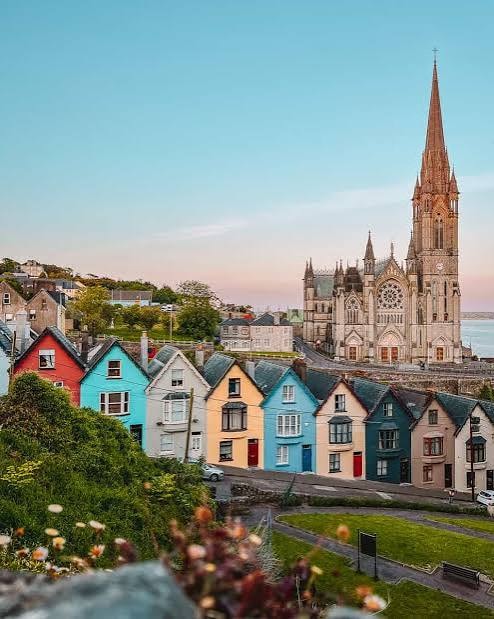
You really can't miss St Colman's Cathedral. The enormous neo-Gothic cathedral sits high above the town and dominates almost every view of Cobh. Inside you'll find soaring stone arches, stained glass and elaborate decorative work, along with a remarkable 49-bell carillon — the only such instrument in Ireland and the largest in Ireland and Britain. Then there's one of the most photographed streets in Ireland. The colourful terraced houses on West View, usually known as the Deck of Cards, rise slightly higher than each other as the street climbs uphill. With St Colman's Cathedral towering behind them, they create one of Cobh's classic views. Discover Ireland specifically highlights West View as one of the town's standout photographic locations — just remember these are people's homes, so take the photo without blocking doorways or driveways.
If you have enough time for only one major excursion from Cobh, strongly consider Spike Island. The island sits in Cork Harbour and has served as a monastery, military fortress, prison and strategic harbour defence over the centuries. Today visitors travel there by ferry from Kennedy Pier in Cobh. The standard experience lasts around 3½ hours including the ferry crossing, with guided tours and time to explore the island independently. Current standard ticket prices are €27.95 adult, €23.95 senior/student, €14.95 child under 12 and €74.95 family — including the return ferry, guided tour and access to the island's exhibitions. The ferry crossing takes around 15 minutes each way. Because sailing capacity is limited, pre-booking is strongly recommended. Allow the full 3½ hours — there are more than a dozen exhibitions plus walking trails and huge views across Cork Harbour.
Cobh also played an important role in another major maritime tragedy. On 7 May 1915, RMS Lusitania was torpedoed by a German submarine off the Cork coast near the Old Head of Kinsale. Survivors and many of those who died were brought to Queenstown. The event remains deeply connected with Cobh — the Titanic Trail includes the local role in the aftermath of the Lusitania disaster, while Cobh Heritage Centre also tells the story as part of its wider maritime exhibition.
One of the best reasons to visit Cobh is the direct commuter rail connection between Cork Kent Station and Cobh. Cobh Railway Station is right beside the Heritage Centre and harbour, so you don't need buses or taxis once you arrive. For a visitor staying in Cork City, leaving the car behind is a genuinely easy option. Once you're in Cobh, most of the main attractions are within walking distance — Titanic Experience, Heritage Centre, Cathedral, Deck of Cards, Kennedy Pier and the waterfront. The only real challenge is elevation: the town rises steeply from the harbour, so expect hills and steps as you head towards the cathedral and upper streets.
If you're visiting Cobh with children, Fota Wildlife Park is a brilliant nearby addition. It's located on Fota Island along the railway line between Cork City and Cobh, meaning you can combine the two without a car — spend the morning at Fota, then continue by train to Cobh. Another excellent nearby destination is Midleton, famous for the Jameson Distillery, where visitors can explore the history of Irish whiskey production. It gives you a completely different experience from Cobh while remaining within the wider East Cork area.
At an absolute minimum, allow half a day — but a full day is recommended. A good one-day itinerary: arrive by train from Cork, visit Titanic Experience, walk uphill to St Colman's Cathedral and the Deck of Cards, come back down for lunch, take the afternoon ferry to Spike Island, then finish with a walk along the waterfront before getting the train back to Cork. Cobh works throughout the year. Summer brings the busiest cruise season and longest evenings; spring and autumn are generally calmer; winter is quieter but most main attractions remain open. If photography is your priority, an early morning before the crowds arrive can be brilliant.
Insider Tips
Take the train from Cork City and give Cobh a full day. You'll arrive directly beside the Heritage Centre, with Titanic Experience only a short walk away. Do those first, then climb up towards St Colman's Cathedral and the Deck of Cards before returning to the waterfront. It's a serious day out without once needing to find a parking space.
If you're visiting Spike Island, book the ferry in advance and allow the full 3½ hours for the experience. Don't book it thinking you'll squeeze the island into a spare hour — the ferry schedule determines when you arrive and leave, and there are more than a dozen exhibitions plus walking trails to explore.
Wear comfortable shoes. Those colourful photographs make Cobh look lovely and peaceful — they don't quite communicate the fact that somebody appears to have built half the town vertically. The hills are real, and the climb to the cathedral is steeper than it looks from the waterfront.
Check the cruise ship schedule before visiting if you prefer quieter streets. Cobh Heritage Centre says more than 100 cruise ships can visit annually, including some of the largest passenger ships in the world. When a big ship is in port, Cobh feels noticeably busier — which is spectacular to see, but worth knowing about in advance.
Highlights
Quick Facts
County
County Cork
Region
South
Category
Towns & Villages
Keep exploring