
Lough Boora Discovery Park: Walks, Bikes & Visitor Guide
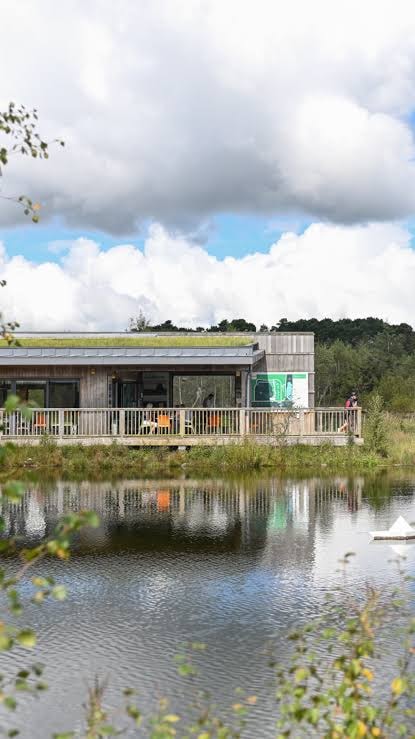
Lough Boora Discovery Park
A 2,000-hectare former peatland transformed into one of Ireland's finest free outdoor parks — with sculptures, cycling trails, fairy trails, wildlife and 50km of walking routes.
About
Lough Boora Discovery Park is located at Boora, County Offaly, R35 R220 — sitting between Tullamore, Birr and Clonmacnoise, around 20km from Tullamore. For much of the 20th century this was an important industrial peat-production landscape, with large-scale harvesting taking place particularly from the 1950s through the 1970s. When industrial peat harvesting declined, the cutaway bog was gradually rehabilitated. Water returned, wetlands developed, grasslands and woodland began recolonising the land, and wildlife followed. The result is one of the most interesting examples in Ireland of an industrial landscape being turned into a public nature and recreation area.
The wider park and trails are free to explore — you don't need a general admission ticket simply to walk or cycle around the Discovery Park. The main car park is currently free, with 130 car spaces and 5 coach spaces plus overflow parking available. Car park hours are 8am–6pm daily year-round. The Visitor Information centre is open 7 days from April to October; from November through March, contact the park by phone or email. As of October 2026, the café is open Wednesday–Sunday 10am–4:30pm and bike hire is available Thursday–Sunday 10am–4:30pm — off-season opening days can vary, so check before travelling specifically for either service.
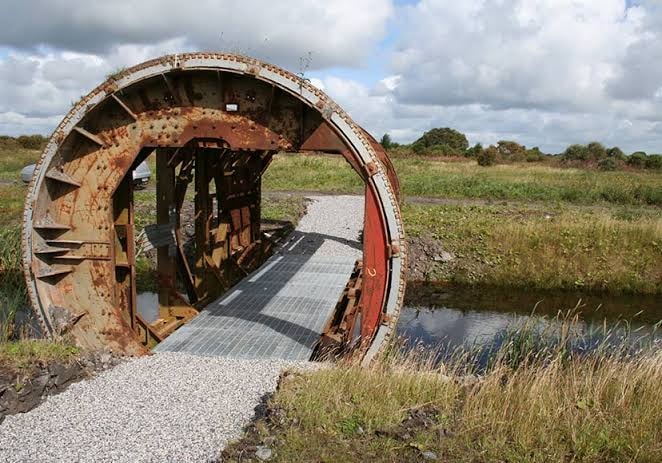
The Sculpture Park is probably Lough Boora's most recognisable attraction. The park contains 24 large-scale outdoor sculptures created by Irish and international artists, many using materials connected with the site's former industrial life — old railway track, peat machinery, timber, stone, metal and bog oak. Instead of hiding the area's industrial past, the artwork incorporates it. The official Sculpture Park Route is 3.3km, rated easy, and suitable for both walking and cycling. It's the route we'd recommend for most first-time visitors — long enough to feel like a proper outing without becoming a serious hike. You'll pass works including Boora Pyramid, Earth & Sky, The Gathering of the Stones, Raised Circle and the giant willow installations, plus an old peat train displayed on an embankment with views towards the Slieve Bloom Mountains. Visitors are encouraged to enjoy the artwork closely but the park specifically asks people not to climb on the sculptures.
For younger children, Fairy Avenue is one of the best areas. The route is around 1.3–1.5km and features 14 resident fairies to find, along with fairy doors, a Bug Hotel, wishing seats, toadstools, willow tunnels and the maze-like Willow World. Discover Ireland says families generally spend around 90 minutes completing the fairy experience — and children take fairy searches very seriously. A-Maze-In Willow World is a living willow installation containing tunnels, tepees, secret passages, resting places and maze-like paths. It's part sculpture and part natural playground, and for younger children probably one of the highlights of the whole park.
Lough Boora is particularly good for cycling because much of the terrain is flat, wide and relatively easy. The park currently promotes three bike-friendly routes. Bike hire is available through Mid Ireland Adventures at Lough Boora — as of October 2026, off-season hours are Thursday–Sunday 10am–4:30pm. For something longer on foot, the Mesolithic Route covers 9.3km at moderate difficulty — Discover Ireland describes the loop as around 9km and approximately 2½ hours on foot, passing wetlands, the southern shore of Lough Boora, old railway infrastructure, wildlife areas and the Mesolithic archaeological site. The Turraun Cycle Route is the longest main cycle route at 15.8km, described as flat, easy cycling and particularly suitable for families. The Finnamore Lakes Route covers around 11.7km and is walking only, passing Finnamore Upper and Lower lakes against views towards the Slieve Bloom Mountains.
A significant prehistoric site was discovered at Lough Boora in 1977. Discover Ireland dates occupation in this landscape back to around 6500 BC — long before farming arrived in Ireland. People living here during the Mesolithic period survived primarily through hunting, fishing, gathering and exploiting the wetland environment. So while Lough Boora looks like a modern environmental-restoration project, humans have actually been using this landscape for thousands of years. The park has also become an important wildlife habitat, with more than 130 bird species recorded. Among the most significant is the wild Grey Partridge, one of Ireland's rarest resident birds. The Leabeg Wetland section is considered nationally important for Whooper Swans during the colder months, though parts of that route should not be attempted during winter or early spring due to flooding.
There are four fishing lakes around Lough Boora, with species including tench, roach, perch and stocked trout for particular events. Some fishing areas have been specifically designed for people with disabilities — Loch an Dochais includes wheelchair-accessible fishing stands and connecting concrete paths. Note that the park specifically states: do not wade or swim in the canals or lakes. Dogs are welcome but must be kept on leads, particularly around bird nesting areas and Grey Partridge conservation zones. Lough Boora is one of the more accessible large outdoor landscapes, with wheelchair-friendly routes, accessible viewing areas, accessible fishing platforms and accessible toilets at the café and Pavilion. You may see references online to Velo Rail — a new attraction using the park's historic narrow-gauge peat railway — but as of October 2026 it is not yet open to the public and is due to open sometime in 2027. For a first visit, start with the 3.3km Sculpture Park Route. If travelling with younger children, add Fairy Avenue. If you've got older children or teenagers, hire bikes and take on one of the longer routes.
Best Time to Visit
Spring is great for returning wildlife and longer days, though some wetter trails may still be affected by seasonal flooding. Summer is best for cycling, picnics and long family days — also the busiest period. Autumn is excellent: the park itself highlights the beautiful gold colours around the Sculpture Route during September and October. The main trails remain open in winter but visitor services are reduced and some wetland routes can flood — bring waterproof footwear. The park is open year-round, with the main car park open 8am–6pm daily.
Getting There
Lough Boora Discovery Park is located at Boora, County Offaly, R35 R220 — around 20km from Tullamore, between Tullamore, Birr and Clonmacnoise. The main car park is currently free with 130 car spaces, 5 coach spaces and overflow parking available. Car park hours are 8am–6pm daily year-round. The park makes an excellent stop when travelling through Ireland's Midlands and combines well with Tullamore, Birr Castle, Clonmacnoise and the Slieve Bloom Mountains.
Highlights
Quick Facts
County
County Offaly
Region
Midlands
Category
Walks & Trails
Keep exploring