
Mahon Falls Waterford: Walk, Parking & Visitor Guide
Mahon Falls
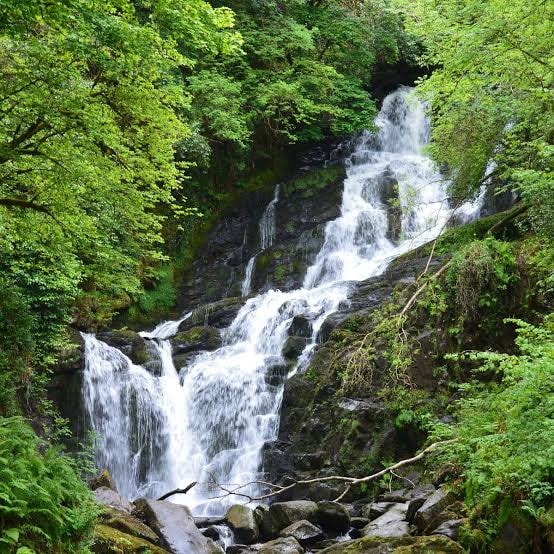
An 80-metre waterfall dropping over sandstone cliffs in a vast Ice Age corrie — one of Waterford's most spectacular natural attractions, reached by an easy 2.5km family walk through the Comeragh Mountains.
About
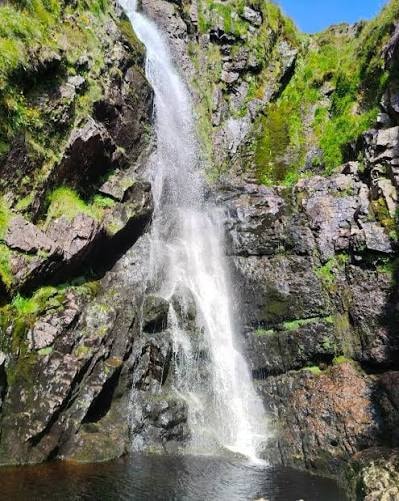
Mahon Falls is located in the Comeragh Mountains in County Waterford, close to the villages of Lemybrien, Kilrossanty and Kilmacthomas. The waterfall lies within the Mahon Valley on the southern side of the Comeraghs. If you're travelling from Dungarvan, follow the N25 towards Waterford and turn towards the R676 at Lemybrien before following signs for Mahon Bridge and the Comeragh Drive. From Waterford City, approach via the N25 before following signs towards Mahon Falls. There is a dedicated Mahon Falls car park close to the beginning of the walking trail — parking is free. The Comeragh Mountains are particularly known for their corries — huge bowl-shaped hollows carved by glaciers. Coum Mahon is one of them. Visit Waterford explains that the valley was shaped during Ice Age glaciation around 100,000 years ago, when enormous masses of moving ice carved into the mountain. Once the glaciers disappeared, they left behind the steep-sided valley you see today. Discover Ireland describes the main waterfall as an approximately 80-metre cascade dropping over sandstone cliffs, while the wider River Mahon cascade through Coum Mahon descends around 300 metres in total. Either way, it's substantial.
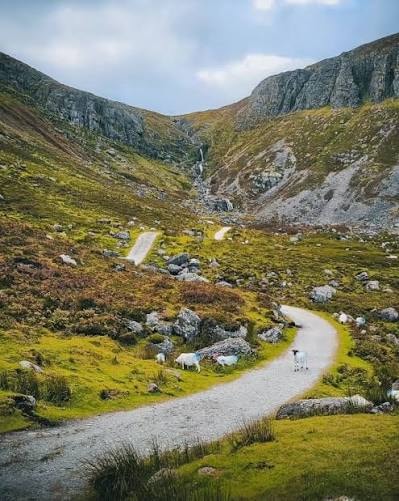
The standard visitor route is pleasantly straightforward: 2.5km return, approximately 40 minutes, a linear gravel path graded easy by Visit Waterford as a family walk. The path leads gradually into the valley towards the waterfall with no huge ascent and no specialist mountain equipment required under normal conditions. The waterfall remains visible ahead for much of the approach, which helps considerably — there's an actual target rather than another parent saying 'it's just around the next corner' for 45 minutes. For most active children the short distance is one of the main reasons Mahon Falls is so popular with families. A sturdy all-terrain buggy may manage much of the route in good conditions, though we'd hesitate to describe it as fully buggy accessible — loose gravel, stones and wet conditions can all make mountain paths harder. Visitors with significant mobility requirements should expect uneven ground in places, though the views begin almost immediately so even a partial route is worthwhile. Dogs must be kept on a lead — this is farming and sheep country. There are no cafés or major visitor facilities at Mahon Falls itself, so bring water, snacks and rain gear. Even a short Waterford mountain walk can become noticeably less enjoyable when somebody arrives in canvas shoes during horizontal rain.
The route follows a gravel track through open mountain terrain beside the Mahon River, with increasingly dramatic views towards the cliffs as the valley narrows approaching the waterfall. Expect open grassland, boulders, mountain streams and sheep. The main path takes you close to the base of Mahon Falls — beyond the established route the terrain becomes increasingly rocky and steep, and we wouldn't recommend scrambling directly beneath the waterfall after heavy rain. Mahon Falls is at its best after rainfall: following prolonged dry weather the falls may become relatively thin, but after heavy rain water pours dramatically down the cliffs and through the valley. Under very strong winds the waterfall can appear to blow sideways or even partially upwards as gusts catch the falling water — it looks spectacular, but if conditions are strong enough to throw a waterfall around, maybe don't stand directly underneath it. One of the quirkiest attractions on the approach is Waterford's famous Magic Road. After crossing the cattle grid, you'll reach a section of road where stopping in the recognised position and releasing the handbrake can make the car appear to roll uphill. It's an optical illusion — the surrounding landscape distorts your perception of the true gradient — but it's a genuinely entertaining addition to the visit.Dungarvan is the ideal base for combining Mahon Falls with the Waterford coast — you could easily spend the morning in the Comeraghs before returning to the harbour for lunch or a section of the Waterford Greenway.
The Comeraghs support a surprising range of wildlife. Visit Waterford highlights birds including wheatear, siskin, crossbill, meadow pipit, peregrine falcon, buzzard, kestrel and merlin. Mammals in the wider area include foxes, rabbits, red squirrels and the elusive pine marten. The damp habitat around the waterfall also supports specialist plants including Wilson's filmy-fern, fir clubmoss and great wood-rush. Mahon Falls is overlooked by Knockaunapeebra, which rises to around 726 metres — the name translates as Hill of the Piper, and local tradition tells of a piper from Kilclooney who became lost on the mountain and died. According to legend, on cold winter nights the sound of his uilleann pipes can still be heard across the mountain. If the short Mahon Falls walk isn't enough, the Crough Wood Walk follows the River Mahon through woodland and countryside for 5.4km return, taking around 1½ hours at moderate difficulty with around 140m of ascent, starting near Mahon Bridge rather than the main waterfall car park. For a more substantial outing, Visit Waterford also recommends approaching the Mahon Valley via Crough Wood — a roughly two-hour route passing through forest tracks, open mountain landscape, river scenery and grazing countryside before reaching the waterfall area.
Mahon Falls sits along the broader Comeragh Drive, and rather than driving straight in and straight back out it's worth taking time to explore more of the mountain landscape. The roads around here give you valleys, mountain views, forests, old stone walls and very few signs of urban Waterford — it feels dramatically different from Tramore or Dungarvan. Nearby Kilmacthomas is strongly associated with the Waterford Greenway and makes a convenient place for coffee, food and cycling. The Waterford Greenway runs through Kilmacthomas and connects Waterford City with Dungarvan, giving you a nice two-day combination: cycling one day, Mahon Falls and the Comeraghs the next. More serious hikers will probably already know Coumshingaun — the enormous glacial corrie that is one of the most spectacular features of the Comeragh Mountains — but unlike Mahon Falls, walking Coumshingaun involves a much more demanding mountain route. Mahon Falls is a family-friendly walk; Coumshingaun is a proper mountain day. For the standard route, allow around 45 minutes to one hour. Visit Waterford estimates the walk itself at 40 minutes, but photographs, stopping beside the river, watching the waterfall and trying the Magic Road can easily stretch that to 90 minutes. No problem at all. The admission is free, the parking is free and the scenery is genuinely spectacular.
Best Time to Visit
Spring is excellent for longer daylight and greener mountain scenery. Summer offers the easiest walking conditions and is the best option for families, though it's also the busiest. Autumn brings fantastic colours and usually stronger waterfall flow after rain. Winter can be the most dramatic but also the harshest — short daylight, strong winds, rain and occasional wintry conditions make the Comeraghs much more serious. For most visitors, spring through autumn is ideal. Morning is the best time of day: quieter parking, fewer walkers, better chance of uninterrupted photographs and plenty of daylight afterwards for exploring Waterford.
Getting There
Mahon Falls is in the Comeragh Mountains, County Waterford, close to Lemybrien, Kilrossanty and Kilmacthomas. From Dungarvan, follow the N25 towards Waterford and turn towards the R676 at Lemybrien, then follow signs for Mahon Bridge and the Comeragh Drive. From Waterford City, approach via the N25 before following signs towards Mahon Falls. Free parking is available at the dedicated Mahon Falls car park close to the start of the walking trail. During sunny weekends and busy holiday periods, go earlier — this has become one of the Comeraghs' best-known easy walks.
Insider Tips
Visit after a decent spell of rain — but choose a calmer day afterwards. You'll get stronger flow over Mahon Falls without necessarily having to walk through the storm that created it. Following prolonged dry weather the falls can become relatively thin, so timing matters. After heavy rain, water pours dramatically down the cliffs and through the valley.
Use the Mahon Falls car park for the easy 2.5km return route, which takes around 40 minutes. If you want a longer walk, start around Crough Wood instead — that route takes roughly two hours and passes through forest tracks, open mountain landscape and river scenery before reaching the waterfall area. Dogs must be kept on a lead throughout — this is sheep country.
Don't forget the Magic Road on the approach. After crossing the cattle grid, stop in the recognised position, release the handbrake and the car appears to roll uphill. It's an optical illusion — the surrounding landscape distorts your perception of the true gradient — but it's a genuinely entertaining addition to the visit. Only try it where it's safe and legal to stop.
There are no cafés or major visitor facilities at Mahon Falls itself — Visit Waterford explicitly notes this. Bring water, snacks and rain gear. A picnic works brilliantly here: Visit Waterford specifically recommends bringing food and finding a suitable spot within the valley. Just follow Leave No Trace and take everything home with you.
The main path takes you close to the base of Mahon Falls, but beyond the established route the terrain becomes increasingly rocky and steep. Don't scramble directly beneath the waterfall after heavy rain — falling water, wet rock, loose stones and steep slopes are not a great combination. Enjoy it from a safe position. Morning visits give you quieter parking and fewer walkers, with plenty of daylight afterwards for exploring Dungarvan or the Waterford Greenway.
Highlights
Quick Facts
County
County Waterford
Region
South East
Category
natural-wonders
More to Explore
Keep exploring