Butter Museum Cork: Tickets, Hours & Visitor Guide
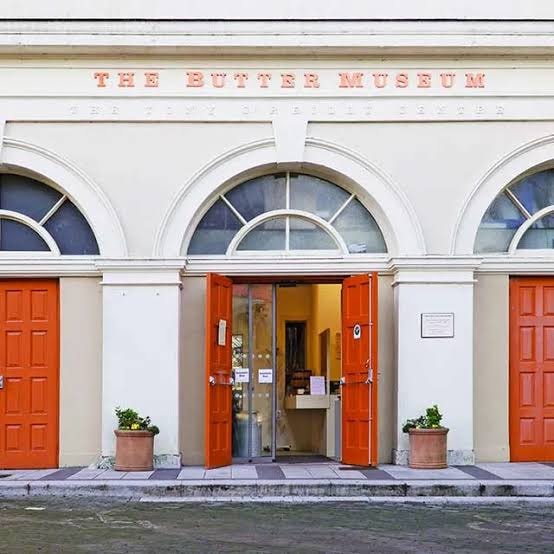
The Butter Museum
The world's largest butter market once operated here — Cork's most unusual museum tells the whole extraordinary story.
About
Cork has museums dedicated to history, art and maritime heritage. And then it has a museum dedicated almost entirely to butter. Which, when you discover just how important butter once was to Cork's economy, suddenly makes a lot more sense. Located in the historic Shandon district of Cork City, The Butter Museum tells the story of Irish dairying from ancient times through to the enormous Cork Butter Exchange and the modern success of brands such as Kerrygold.
The Cork Butter Exchange was formally established in 1769 in Shandon. Farmers and merchants transported butter into Cork from across Munster — particularly Cork and Kerry — in small wooden barrels known as firkins. The butter was inspected, graded and sold through the Exchange before being exported around the world. At its peak, the Cork Butter Exchange became the largest butter market in the world, with around 440,000 firkins of butter passing through at its height in the early 1880s. This wasn't a small local farmers' market — it was a major international trading operation.
One of the most interesting parts of the story is how seriously Cork treated quality. Butter arriving at the Exchange was inspected and graded from first class down to sixth, with the best butter commanding higher prices. This system helped build trust in Cork butter internationally — in modern language, Cork had created a very early premium food brand. The museum explores how those Butter Roads developed across Cork and Kerry, connecting farming communities with the city's Exchange, and how technology eventually changed the industry. The Exchange closed in 1924.
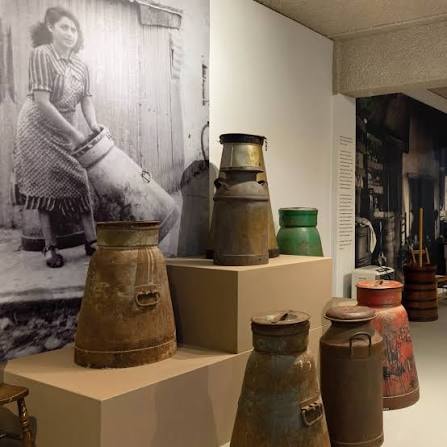
The museum doesn't stop in the 19th century. It continues into the development of Ireland's modern dairy industry and the international success of Kerrygold, with an audiovisual presentation exploring how Ireland transformed from small-scale home butter production into a major modern dairy exporter. The collection includes traditional churns, milk churns, wooden working bowls, butter spades, firkins, piggins, noggins, packaging and equipment connected with commercial creameries. And one of the more unusual exhibits is a container of bog butter estimated to be around 1,000 years old — discovered in a peat bog where the cool, low-oxygen environment helped preserve it.
One of the best reasons to time your visit carefully is the traditional butter-making demonstration, which runs every Wednesday and Saturday at 12 noon. During the demonstration you'll see how cream is traditionally churned into butter — and afterwards there's usually fresh bread and newly made butter to sample. The museum only has seating for around 35 people and demonstrations operate on a first-come-first-served basis, so the museum recommends arriving around 11am, exploring the exhibitions first and then staying for noon. Admission is €5 adult, €4 student/senior, €2 teen, free for under-12s in a family group and free for carers. Last admission is 3:30pm daily.
The museum is child friendly, with a children's activity sheet, a play farm and the chance for children to design or print their own butter wrapper. It also specifically welcomes neurodiverse visitors and provides a Social Story to help families prepare for the experience before arriving. Once you've finished, walk around the corner to St Anne's Church and the Shandon Bells — visitors can climb the tower and ring the bells themselves, with brilliant views across Cork from the upper levels. The Butter Museum and Shandon Bells are basically made to be visited together, and heading downhill to the English Market afterwards makes for a natural Cork food itinerary.
Highlights
Quick Facts
County
County Cork
Region
South
Category
Heritage


Keep exploring