
Fanad Head Lighthouse: Tickets, Tours & Visitor Guide
Fanad Head Lighthouse
A working lighthouse since 1817, perched at the northern tip of the Fanad Peninsula between Lough Swilly and the Atlantic Ocean.
About
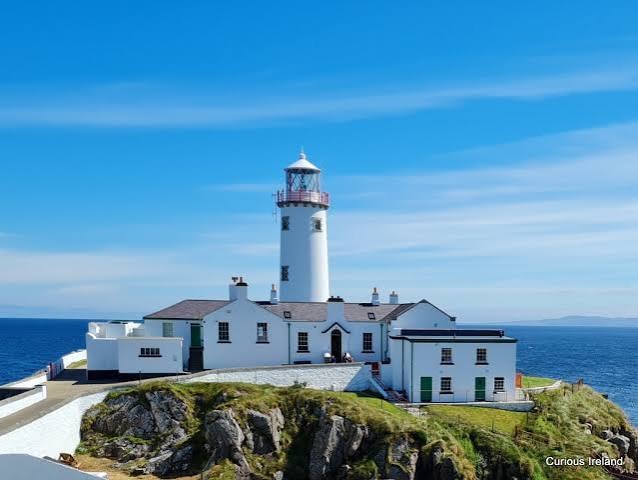
Fanad Head Lighthouse — Teach Solais Fhánada — stands at the northern tip of the Fanad Peninsula in County Donegal, guarding the entrance to Lough Swilly. It has been a working lighthouse since 17 March 1817, when it first lit its lamp on St Patrick's Day. The lighthouse was built in direct response to one of the most devastating maritime disasters in Donegal's history: the wreck of HMS Saldanha on 4 December 1811, when the Royal Navy frigate struck rocks near Fanad Head during a violent storm. More than 250 people were lost. The only reported survivor was the ship's parrot. Following the disaster, calls grew for a lighthouse to mark the entrance to Lough Swilly, and construction began in 1815.
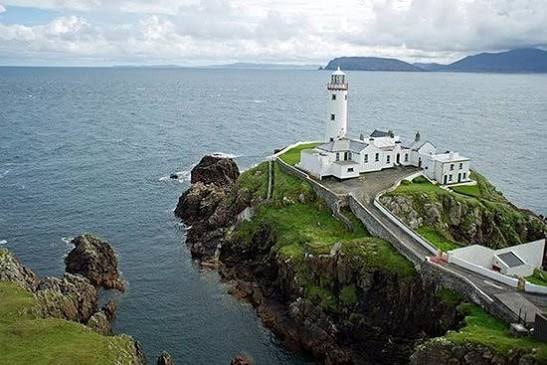
The lighthouse was designed by George Halpin, one of the most influential lighthouse engineers in Irish history. The original tower was later replaced by a taller structure in 1886 — essentially the lighthouse we recognise today — because mariners needed a more visible light from the Atlantic side. The tower stands approximately 22 metres high from its foundation, with the light sitting around 39 metres above sea level. The highlight of the visitor experience is climbing the tower's 76 steps: 59 spiral granite steps followed by 17 ladder-style steps near the top. The views over Lough Swilly, north Donegal and the Atlantic are enormous. Tower access is by guided tour, with local guides covering the lives of lighthouse keepers, the shipwrecks of Lough Swilly, and what life was like for families stationed on this remote headland.
Fanad Lighthouse is far more than a tower climb. The site includes an immersive virtual-reality experience called The Storm, The Sea, The Saldanha, which recreates the 1811 wreck that led to the lighthouse being built. There's also Éist, an audio experience encouraging visitors to slow down and listen to stories and sounds from generations of lighthouse life in this Irish-speaking part of Donegal. The AMHARC wildlife area focuses on the marine life around the headland — dolphins, seals, porpoises, and occasionally whales or basking sharks. Discover Ireland specifically describes Fanad as a popular dolphin-watching location. Bring binoculars. The exhibition spaces in the former helipad hut contain historic photographs, artefacts, and maritime displays. And the lighthouse's helipad, constructed in 1969 to support relief services for island lighthouses including Tory and Inishtrahull, is an unusual reminder of how lighthouse operations once required a whole network of people, boats and aircraft.
One of the most compelling aspects of Fanad is the accommodation. Three former lightkeepers' cottages — Inishtrahull View, Dunree View and Tory View — have been restored as self-catering accommodation available throughout the year. Staying overnight means experiencing the lighthouse after the visitors leave: darkness falls, the beam begins sweeping across the headland, and you have the whole Atlantic headland to yourself. This is genuinely bucket-list accommodation. Fanad is also part of the Donegal Gaeltacht, and the lighthouse operates bilingually — staff can provide services through Irish, and tours support Irish-language interpretation alongside several international languages. Very close to the lighthouse is the Lighthouse Tavern, described by Discover Ireland as the most northerly pub on the Fanad Peninsula, serving homemade bread, chowder, fresh fish and local craft beer.
Fanad Head Lighthouse sits naturally at the end of a spectacular Fanad Peninsula day. The recommended approach is via the Knockalla Coast Road from the south — stop at the viewpoint above Ballymastocker Beach, continue down towards Portsalon, then drive north to Fanad Head. Discover Ireland specifically recommends this approach. The Mulroy Drive, a scenic 35km route linking Fanad, Ballymastocker Bay and the Rosguill Peninsula, also begins at Fanad Lighthouse before continuing around Mulroy Bay towards other north Donegal attractions. Allow 1½–2 hours at the lighthouse itself. And one important note for families: children must be at least 1.2 metres tall to climb the tower. That's based on height, not age — worth knowing before booking.
Best Time to Visit
Fanad Lighthouse works all year. Summer (June–August) offers the longest opening hours (10am–6pm daily) and the best weather for exploring the headland and watching wildlife. Spring is excellent for road trips with fewer visitors. Autumn brings dramatic Atlantic weather and a quieter atmosphere — the lighthouse specifically noted strong visitor numbers in September 2026 and recommends booking tower slots in advance. Winter is arguably the most atmospheric time to stay overnight in the lightkeepers' cottages, with dark skies that occasionally offer views of the Aurora Borealis. October 2026 hours are daily 10am–5pm.
Getting There
Fanad Head Lighthouse is at Cionn Fhánada on the northern tip of the Fanad Peninsula, County Donegal (F92 YC03). Driving is by far the easiest way to get here — public transport to this part of Donegal is very limited. From Letterkenny, allow approximately 1 hour. The recommended approach is via the Knockalla Coast Road from the south, which takes you past the famous viewpoint above Ballymastocker Bay before continuing north to Fanad Head. Free parking is available at the lighthouse, with 33 car spaces and 2 coach bays. Tower tours can be booked online up until the day before your visit — advance booking is recommended, especially at weekends.
Insider Tips
Book your tower tour in advance — especially at weekends and during busy periods. In September 2026, the lighthouse specifically advised visitors to reserve ahead as specific tour times were filling up. Walk-ins are accepted if space is available, but don't rely on it.
If you're visiting with children, check the height restriction before you go: children must be at least 1.2 metres tall to climb the tower. If only one adult is present with children below the height limit, that adult won't be able to leave them to climb. Two adults can take turns.
Approach via the Knockalla Coast Road from the south. Stop at the viewpoint above Ballymastocker Bay, continue down to Portsalon, then drive north to Fanad Head. This is one of the finest coastal drives in Donegal and the recommended approach from Discover Ireland.
Bring binoculars. The AMHARC wildlife area at the headland is a recognised dolphin-watching location, and seals, porpoises and occasionally whales or basking sharks can be spotted from the cliffs. No sighting is guaranteed, but the setting makes it worth spending time watching the water.
Allow at least 1½–2 hours at the lighthouse itself — more if you're doing the full Fanad Peninsula day. The tower tour, VR experience, Éist audio experience, exhibition and wildlife area all take time. The Lighthouse Tavern nearby serves chowder, fresh fish and local craft beer if you need warming up afterwards.
Highlights
Quick Facts
County
County Donegal
Region
Northwest
Category
Heritage


Keep exploring